LORD TIGER
A few decades ago, Cambodia, Laos and Vietnam were covered by endless forests, with the Indochinese tiger as their uncontested master. Known under various intriguing names such as Ong Cop (The Lord Tiger), he is the subject of many fears, superstitions and legends that are deeply entrenched within the collective imagination. The Indochinese tiger (Panthera tigris corbetti) is a sub-species of tiger that traditionally inhabited forests, savannas, swamplands, and forested plains. Today the Indochinese tiger is an endangered species, only found in Southeast Asia’s most remote forests.
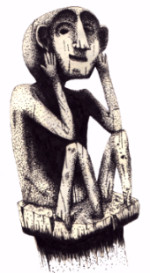
For the Highland Proto-Indochinese peoples, the tiger is feared not just for his might, but also for his spiritual powers. For some groups, he belongs to the Caa’ (the dark spirits) and is surrounded by mystery and fantasy. According to local legends, the tiger was introduced to the forests by local gods to protect the woods and to keep humans far away. When his drool falls on the earth, it forms venomous caterpillars, and his whiskers can create a type of poisonous snake used by sorcerers to bewitch their enemies. Victims of this poisonous creature face not only death, but damnation, with their souls destined to wander on the back of the Lord Tiger until the next victim. The Hmong of northern Indochina believe in metempsychosis – the concept that upon death, the soul is transferred into another body, either human or animal – and legends tell how old men have been seen becoming wolves or tigers.
Indochina’s tiger population was decimated during the Vietnam Wars, then further reduced by heavy deforestation and traffic for Chinese traditional medicine. In 2018, the remaining tigers can be found in remote forests of Laos (Phu Den Di, Nam Et and Xe Xap); in the Cardamom mountains of Cambodia; and in some southern Highland forests of Vietnam. There have been some successful efforts to reintroduce and protect the Indochinese tiger, notably by the Laotian National Parks
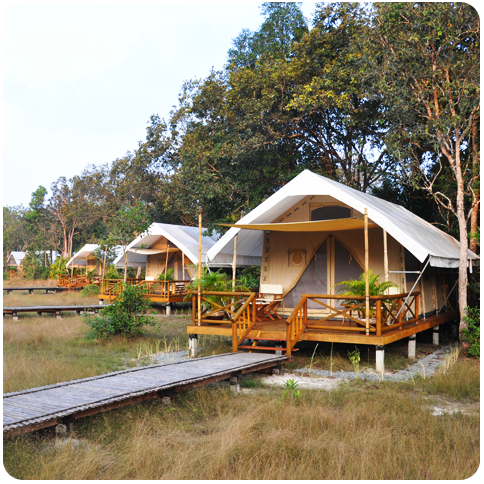
CARDAMOM TENTED CAMP ADVENTURE AMONG A WILDLIFE SANCTUARY
Cardamom Tented Camp is an eco-camp of nine comfortable safari-style tents located inside Botum Sakor National Park in western Cambodia’s Koh Kong Province. The camp that promotes sustainable tourism practices is settled in country’s largest park, a peninsula projecting southwest from the Cardamom Mountains, which shelters a pristine biodiversity comprising of gently sloping lowlands covered by evergreen wood and grasslands, and coastal habitats that is home to some of the world’s most endangered species.
Journey to the Cardamom Tented Camp, which supports the conservation efforts of Wildlife Alliance in cooperation with the local community – enabling guests to participate in conservation-related activities that protect the area’s rich, varied flora and fauna. Learn about the sustainable operations and join a patrol with Rangers trekking through dense jungle along abandoned poaching and logging trails. Visit the Rangers Station and view the equipment confiscated from poachers, including traps and improvised hunting rifles. Finish your trip by kayaking on the Preak Tachan River, where you will have a chance to observe rare wildlife such as macaque, gibbon, and hornbill
MEET LAURENT SÉVERAC NATURAL AROMA HUNTER
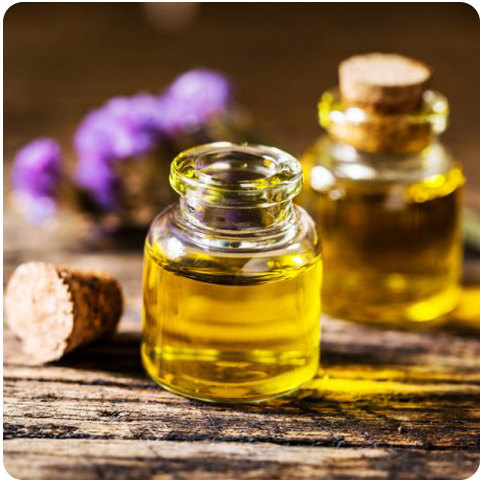
Laurent Séverac is a freelance aroma hunter who has spent over 20 years seeking rare plants and spices in Vietnam and Laos. He is an adventurer who tracks volatile scents through the forests of Asia – an exceptional botanical reserve that has fascinated him since childhood. Laurent has developed an expertise in essential oils that he shares with local farmers and ethnic minorities and sells through his Aromasia brand. His pure natural extracts are grown at his own biodynamic plantation, distilled at his craft distillery, and sold to international perfumers, including some in Grasse, France’s perfume capital. Laurent has also developed a range of spices with renowned French chef Didier Corlou, Aromasia Cuisine by Didier Corlou, that is used by the world’s most prestigious restaurants.
Meet the aroma hunter at his house in Hanoi, which also serves as a laboratory. Discover his perfume organ that includes a diverse range of essential oils such as cinnamon bark, agarwood, gum benzoin, anise water, and black ginger. Learn about the history of recipes used for luxury perfumes and get a glimpse of Laurent’s 100% natural perfume product lines, homemade soaps, and balms. Then, enjoy a two-hour olfactory initiation to create a perfume based on essential oils before tasting unique handmade honey, chocolate, whipped cream and liqueurs

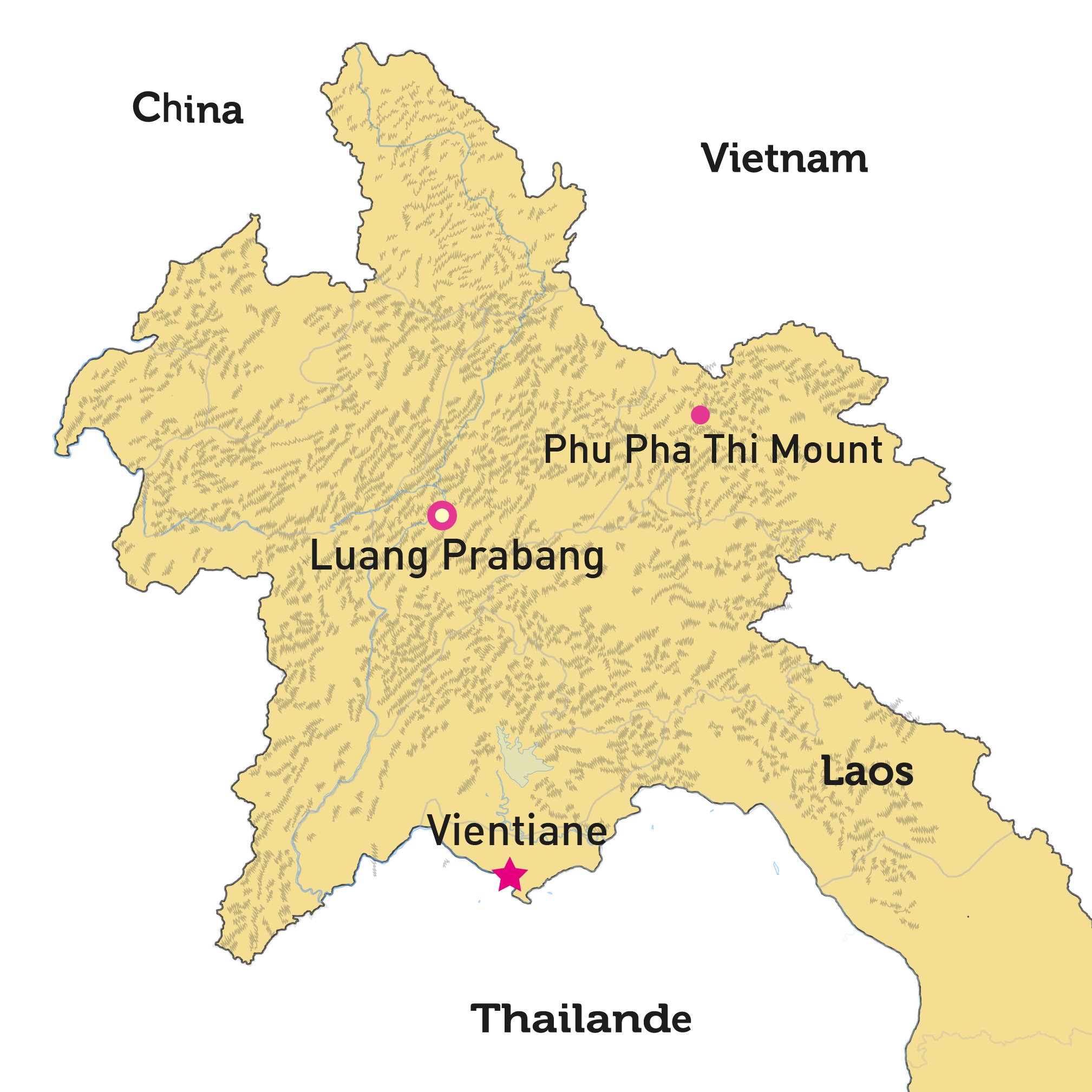
PHU PHA THI - LIMA SITE 85 FIFTIETH ANNIVERSARY & EXPLORATION
SEE ALSO OUR OTHER NEWSLETTERS